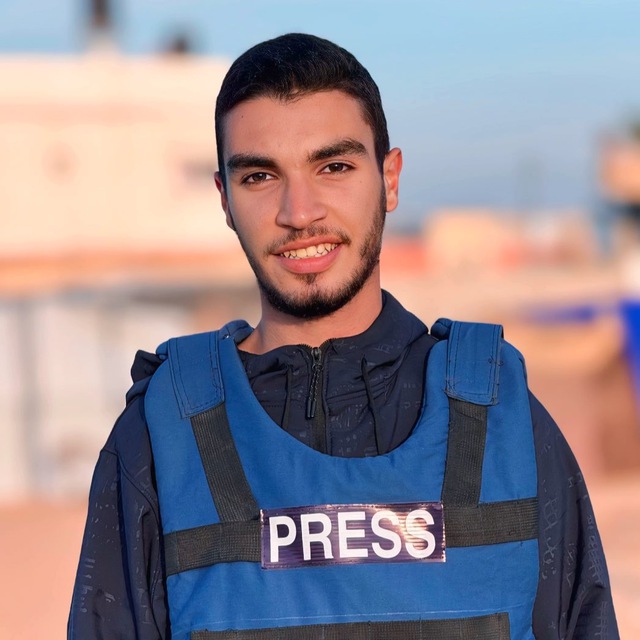
المختص بالشأن الاقتصادي أحمد أبو قمر:
Economic affairs specialist Ahmed Abu Qamar:
▪ Gaza market is witnessing a notable shift in the function of cash. After cash was scarce and the citizen paid high commissions to obtain it, some cash holders today pay a commission to get rid of it and convert it into bank or electronic credit. This paradox reveals an important change in the market economy; the value of money is not tied only to its nominal value, but to how easily it can be used and settled.
▪ During the liquidity crisis, the scarcity of cash gave it strong bargaining power, and according to what was being circulated, the "takiish" commissions reached the point where the money was split equally between the owner of the money and the takiish trader. Today, with the expansion of electronic payment and many merchants becoming stricter in accepting banknotes -even new ones-, some of it finds it difficult to move within the market.
▪ Fees for converting cash into digital balances -we can call it the term tarseed- range between 3% and may reach 10% depending on the quality of the note. This means in practice that the citizen is not paying for a financial service only, but is bearing a cost related to the quality of the note and its tradability.
▪ Therefore, we are facing a market that prices liquidity according to its quality and usability, and the more difficult it becomes to accept cash, the higher the cost of converting it into a more tradable form. The most important paradox is that cash does not disappear, but moves from hand to hand, from individuals to the tarseed trader, then to a bigger trader, then returns to the market in several forms. In contrast, digital payments are expanding because they have become the most accepted by merchants monopolizing the import of goods and provide easier settlement, especially with the change shortage crisis and the difficulty of giving change.
▪ The problem is not in cash or electronic payment by themselves, but in the high cost of moving between them, and therefore the wider this gap becomes, the more the citizen becomes the party that bears a larger share of the cost of money circulation within the economy.
Related stories
Occupation tanks open heavy fire in the Al-Salatin and Al-Atatara areas west of Beit Lahia town in the northern Gaza Strip.