
▪We announced since yesterday the maximum state of emergency to deal with the repercussions of the rainy low-pressure system and to respond to what it can of distress calls it receives from families affected by the low-pressure system.
▪All areas of the Gaza Strip are now facing a new humanitarian disaster with the entry of the Gaza Strip’s first rainy low-pressure system.
▪Dozens of camps, including tents and shelter centers, and even entire residential areas are experiencing flooding due to heavy rainwater, as water levels in some areas have reached one and a half meters.
▪Civil Defense distress rooms have received since the start of the low-pressure system 2166 distress calls from citizens, from the administrations of displaced persons’ camps and shelter centers, and from families whose homes had been affected by the Israeli shelling.
▪Rescue teams, in cooperation with municipalities and the competent authorities in the governorates of the Strip, were able to respond to only 218 calls out of the total distress calls, while for the rest they relied on providing guidance to families facing flooding due to our inability to respond to the huge number of calls.
▪The repercussions of the first low-pressure system revealed the enormity of the humanitarian disasters facing citizens in the Gaza Strip and serve as a warning that we are facing other disasters unless everyone moves, especially with meteorological warnings that this year’s winter season will be heavy with rain and storms.
▪We renew our humanitarian appeal to all countries of the world that there is no room to ignore the harsh humanitarian situation suffered by citizens in the Gaza Strip, and that there must be real pressure on the occupation to allow the entry of rescue equipment and machinery for winter incidents.
▪We again call for urgent practical action to bring in tents, plastic sheeting, and mobile homes "caravans" to relieve and shelter the displaced.
▪We call for allowing support for Civil Defense operations with the necessary fuel to enable our teams to respond to humanitarian interventions, which double during the winter season.
▪We call on the guarantor states of the ceasefire in the Gaza Strip and the national committee for managing the Gaza Strip to assume their responsibilities and intervene urgently to save citizens who will face winter without any means to protect them from low-pressure systems.
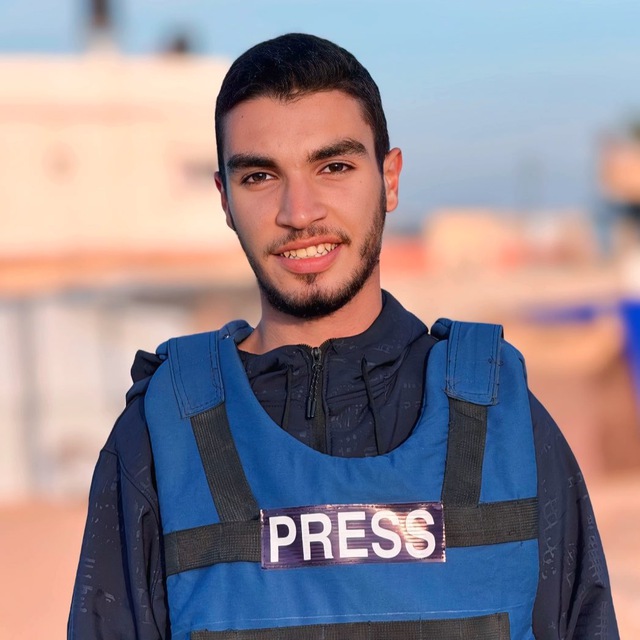 Ali Salem
You may also like
Gaza Civil Defense: Since the start of the low-pressure system, we have received more than 1,500 distress calls requesting protection for residents.
Gaza Civil Defense: ▪Since the start of the low-pressure system, we have received more than 1,500 distress calls requesting protection for residents. ▪We appeal to countries around the world not to overlook the difficult humanitarian situation facing the people of the Gaza Strip. ▪We demand the provision of tents that protect citizens in light of the low-pressure system.
UN Office for the Coordination of Humanitarian Affairs: Emergency supplies stock in Gaza is not enough to meet the needs of those affected by the rain.
United Nations Office for the Coordination of Humanitarian Affairs: ▪The stock of emergency supplies in Gaza is not enough to meet the needs of those affected by the rain. ▪Winter supplies must be allowed to enter immediately.
Israeli artillery shelling occurred east of Gaza City
Protection Center for Human Rights: We express our deep concern over the humanitarian repercussions resulting from the low-pressure system affecting the Gaza Strip
Protection Center for Human Rights: ▪We express our deep concern over the humanitarian repercussions resulting from the low-pressure system affecting the Gaza Strip, and the flooding of displaced persons' tents, damage to their property, and damage to parts of buildings that had previously been bombed, amid the lack of safe housing for hundreds of thousands of displaced people to protect them from rain, cold and wind. ▪What Gaza is witnessing is not just damage as a result of exceptional weather conditions, but reveals a catastrophic fragility in shelter conditions due to the widespread destruction of homes and infrastructure and the continued crisis in providing shelter and protection supplies. ▪The severity of the situation is compounded for children, women, the elderly and the sick, who face the risks of drowning and cold, in addition to the threat posed by the collapse of cracked buildings to the lives of residents. ▪We emphasize that the protection of civilians and the provision of adequate shelter and basic aid are humanitarian and legal obligations that may not be delayed, and that the continued restrictions on the entry of shelter and reconstruction materials exacerbate the suffering of residents and expose their lives to additional risks. ▪We call on the international community and the United Nations to urgently intervene to provide safe shelter centers, suitable tents, heating supplies and protection from rain. ▪We call on the Israeli authorities to lift the restrictions imposed on the entry of shelter and reconstruction materials and the equipment needed to repair infrastructure. ▪We call on humanitarian organizations to intensify their emergency interventions and give priority to the most affected families and vulnerable groups. ▪We demand that the relevant authorities assess the damaged buildings, evacuate sites that pose a danger to the lives of residents, and enhance the response to distress calls. ▪Displaced persons who lost their homes as a result of the war should not again face the risk of death under the rain or among the rubble of cracked buildings. ▪Providing protection and safe shelter is an urgent humanitarian necessity and a legal responsibility that requires international action commensurate with the scale of the disaster.