
Latest News
Israeli artillery shelling east of Al-Bureij camp in the central Gaza Strip
Occupation vehicles open heavy fire south of Khan Younis, southern Gaza Strip
Occupation vehicles open fire heavily east of the town of al-Qarara, north of Khan Younis city in the southern Gaza Strip
Intense gunfire from Israeli vehicles east of Hamad City, north of Khan Younis, southern Gaza Strip
Israeli vehicles open fire toward the tents of displaced people at Bir 19 in the Mawasi of Khan Yunis, southern Gaza Strip
Israeli artillery shelling east of Al-Maghazi camp in central Gaza Strip
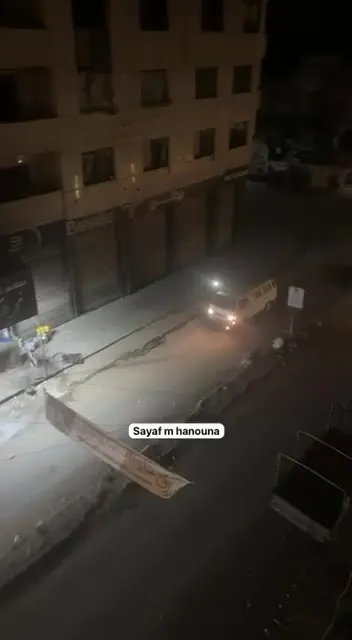
A young man targeted in the vicinity of Abdul Aal Junction, next to Hittin Mosque on Al-Jalaa Street in Gaza City.
Injured, one in critical condition, as a result of an Israeli airstrike near the Engineers Syndicate in the Sheikh Radwan neighborhood, northwest of Gaza City
The Israeli army carries out demolition operations east of Gaza City
An airstrike carried out by an Israeli drone west of Gaza City
Economic analyst Ahmed Abu Qamar: The engineering of starvation in Gaza in numbers
Economic analyst Ahmed Abu Qamar: ▪ The engineering of starvation in Gaza in numbers ▪ In just one month, 938 trucks carrying aid disappeared on their way to Gaza, as the number of incoming trucks fell from 2,182 in August 2026 to 1,244 in the past September, a sharp decline of 43%. ▪ This is not just a drop in truck movement, but a decline in supplies on which about 95% of families rely on aid according to UN reports. In contrast, commercial trucks rose during the same period by only 2.5%, from 3,688 to 3,781 trucks, while fuel trucks fell 16.7% from 288 to 240. ▪ Commercial trucks made up about 71.8% of total movement in September, compared with 23.6% for aid and 4.6% for fuel. The broader picture showed that the total number of trucks entering Gaza fell 14.5% during September, from 6,158 to 5,265 trucks. ▪ Here the more serious issue emerges: if aid declines by this scale while commercial trucks rise gradually, then the nature of the flow into Gaza changes from relief supplies aimed at needy families to a market that relies more on commercial goods with fees, levies and high prices. ▪ The entry of commercial goods does not necessarily mean that people are able to buy them, and in an economy where a large percentage of families have lost their sources of income and purchasing power, an increase in commercial goods alongside a reduction in aid can turn into a wider gap between what is available in the market and what people can actually access. ▪ This is what makes the September figures worth reading as signs of what can be described economically as "engineering of starvation," represented by sharply reducing the aid channel while expanding reliance on the commercial market, at a time when humanitarian need remains broad and prices are far higher than pre-war levels. ▪ A 43% drop in aid within one month cannot be read in isolation from the composition of the flow itself; beyond the number of incoming trucks, the issue is what they carry, who they reach, and who can obtain or buy them.
Most read
Last 24 hours- Martyrdom of Sheikh Muhammad Sha'sha'a "Abu al-Baraa", and former prisoner Abdullah al-Zeitawi injured with serious wounds
- Martyrdom of Adham Khalil Ma'rouf (33 years old) following a strike by an Israeli drone on the roof of a house belonging to the Shalha family near the telecommunications area in Jabalia camp, north of the Gaza Strip
- My brother… my brother!… She was shopping with her brother, and he was martyred in front of her
- Martyrdom of the young man Amer Al-Hourani as a result of an Israeli bombardment that targeted a group of citizens near Al-Falouja Cemetery west of Jabalia camp, Jabalia, northern Gaza
- Martyr Maejed Ahmed Al-Sabbagh, who was killed following a strike in the vicinity of Dar Al-Arqam School in Al-Tuffah neighborhood, northeast of Gaza City, this morning
Israeli artillery shelling east of Al-Bureij camp in the central Gaza Strip
Latest News
Occupation vehicles open heavy fire south of Khan Younis, southern Gaza Strip
Occupation vehicles open fire heavily east of the town of al-Qarara, north of Khan Younis city in the southern Gaza Strip
Intense gunfire from Israeli vehicles east of Hamad City, north of Khan Younis, southern Gaza Strip
Israeli vehicles open fire toward the tents of displaced people at Bir 19 in the Mawasi of Khan Yunis, southern Gaza Strip
Israeli artillery shelling east of Al-Maghazi camp in central Gaza Strip
A young man targeted in the vicinity of Abdul Aal Junction, next to Hittin Mosque on Al-Jalaa Street in Gaza City.
Injured, one in critical condition, as a result of an Israeli airstrike near the Engineers Syndicate in the Sheikh Radwan neighborhood, northwest of Gaza City
The Israeli army carries out demolition operations east of Gaza City
An airstrike carried out by an Israeli drone west of Gaza City
Economic analyst Ahmed Abu Qamar: The engineering of starvation in Gaza in numbers
Economic analyst Ahmed Abu Qamar: ▪ The engineering of starvation in Gaza in numbers ▪ In just one month, 938 trucks carrying aid disappeared on their way to Gaza, as the number of incoming trucks fell from 2,182 in August 2026 to 1,244 in the past September, a sharp decline of 43%. ▪ This is not just a drop in truck movement, but a decline in supplies on which about 95% of families rely on aid according to UN reports. In contrast, commercial trucks rose during the same period by only 2.5%, from 3,688 to 3,781 trucks, while fuel trucks fell 16.7% from 288 to 240. ▪ Commercial trucks made up about 71.8% of total movement in September, compared with 23.6% for aid and 4.6% for fuel. The broader picture showed that the total number of trucks entering Gaza fell 14.5% during September, from 6,158 to 5,265 trucks. ▪ Here the more serious issue emerges: if aid declines by this scale while commercial trucks rise gradually, then the nature of the flow into Gaza changes from relief supplies aimed at needy families to a market that relies more on commercial goods with fees, levies and high prices. ▪ The entry of commercial goods does not necessarily mean that people are able to buy them, and in an economy where a large percentage of families have lost their sources of income and purchasing power, an increase in commercial goods alongside a reduction in aid can turn into a wider gap between what is available in the market and what people can actually access. ▪ This is what makes the September figures worth reading as signs of what can be described economically as "engineering of starvation," represented by sharply reducing the aid channel while expanding reliance on the commercial market, at a time when humanitarian need remains broad and prices are far higher than pre-war levels. ▪ A 43% drop in aid within one month cannot be read in isolation from the composition of the flow itself; beyond the number of incoming trucks, the issue is what they carry, who they reach, and who can obtain or buy them.